3.8 billion years of R&D.
Nature is the most extensive research-and-development lab in existence. It holds an unbroken record of real-world iteration on what it takes to adapt, survive, and thrive on a dynamic planet.
While our industrial models are only a few centuries old, the living world has already solved for longevity across deep time.
This moment is not only collapse. It's a generational opportunity, if we take it.
After Holling's adaptive cycle — Gunderson & Holling, Panarchy (2002); Sundstrom & Allen (2019).
Every system, from a forest to a team to a company to an entire sector, moves through cycles of growth, consolidation, release, and reorganization, with disruption as the trigger that tips consolidation into release. Ecologists call this the Adaptive Cycle. The magnitude of the disturbance can be shocking. Yet living systems renew themselves in the face of disturbance on a regular basis. So can we.
We are living through disturbance now, at nearly every scale at once. Legacy institutions are strained. Familiar structures are losing their grip. What once felt permanent is proving insufficient. Periods like this produce real fear and real instability. They also open genuine strategic ground. Disruption is the catalyst, not a phase to wait out. It's what unlocks resources that were previously tied up, opens connections that weren't possible before, and expands the range of options for those positioned to act. The reorganization is already happening. What remains undecided is what gets built in its wake.
Left to default, we rebuild human systems by reaching for the familiar. Terradigm exists to offer something else: a source of intelligence untethered from the patterns that produced this moment in the first place, so what comes next is built by life-aligned design rather than by maladaptive default.
Proven strategies, not speculative risks.
We no longer have the luxury of betting our future on purely speculative ideas or ungrounded hypotheses. Designing with nature isn't a fuzzy guess or a risky gamble. It is a bold leap guided by strategies that have already passed the ultimate stress test. These approaches are tangible, observable, and replicable.
The proof isn't locked in a lab or guarded by elite gatekeepers and proprietary paywalls. It is the living evidence that surrounds us.
Look outside. The strategies we need are already at work.
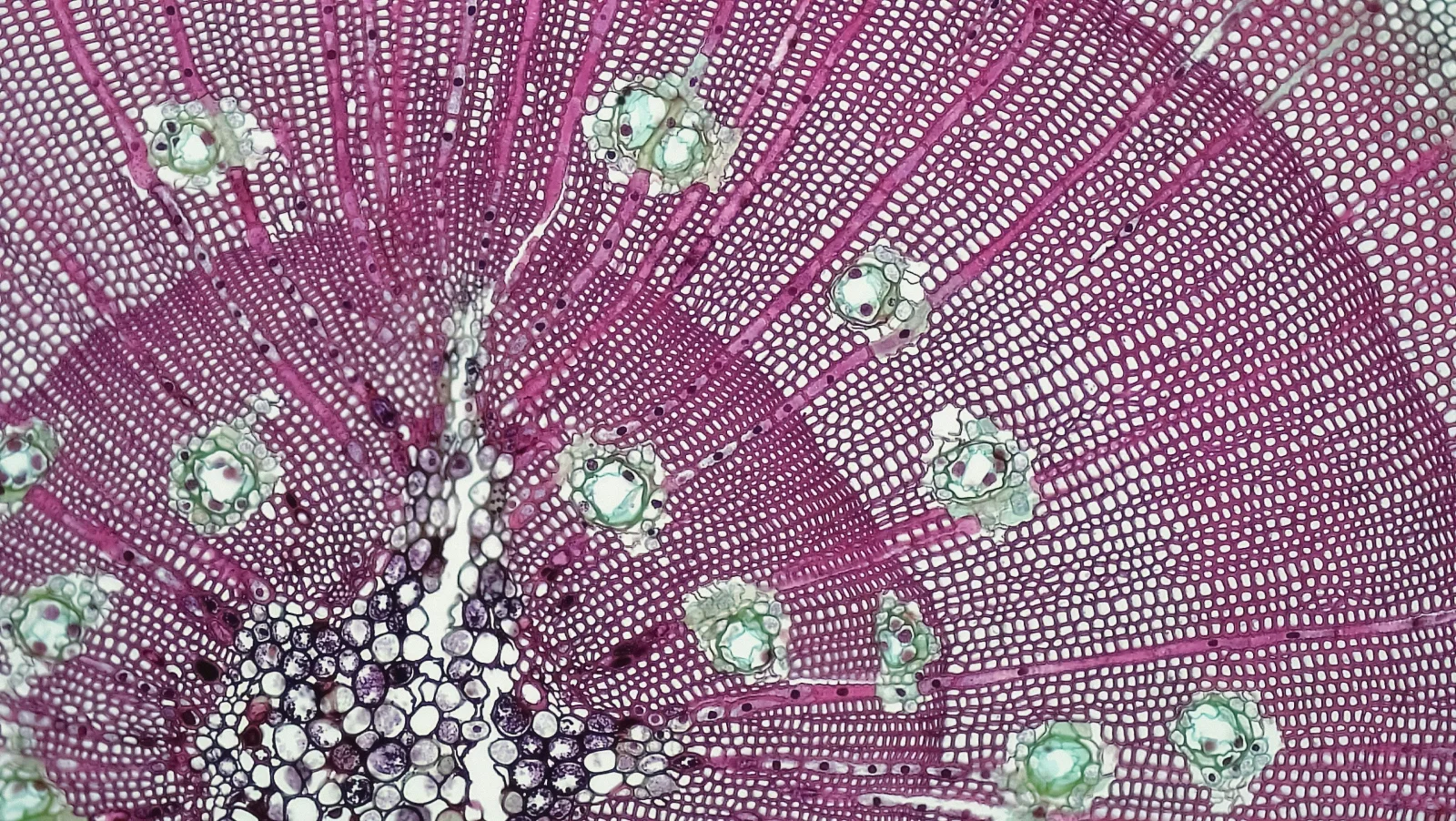
Decoding nature's logic.
Biological and ecological systems face the exact same functional demands we do. Across the living world, organisms and ecosystems have evolved strategies for coordinating across networks, allocating resources, adapting under uncertainty, and managing competition and cooperation, strategies that look radically different from the rigid models of industrial society.
We study not one organism but hundreds, sometimes thousands, that have each faced constraints similar to yours, because real pattern recognition, the kind social innovation actually depends on, only emerges at that scale. From those patterns, we distill proven strategies, tested over eons, into actionable blueprints for our communities, businesses, and new forms of governance.
Mentorship for a young species.
We are a young species, and our institutions are younger still. We do not have to struggle through these systemic transitions in isolation. The living world is full of mentors that have been solving complex problems for millennia, without compromising their own quality of life or the ecosystems that sustain them.