
Sensing: a practice of presence in nature
A free self-guided practice for being present with the living world. One sense at a time, twenty minutes, anywhere outdoors.
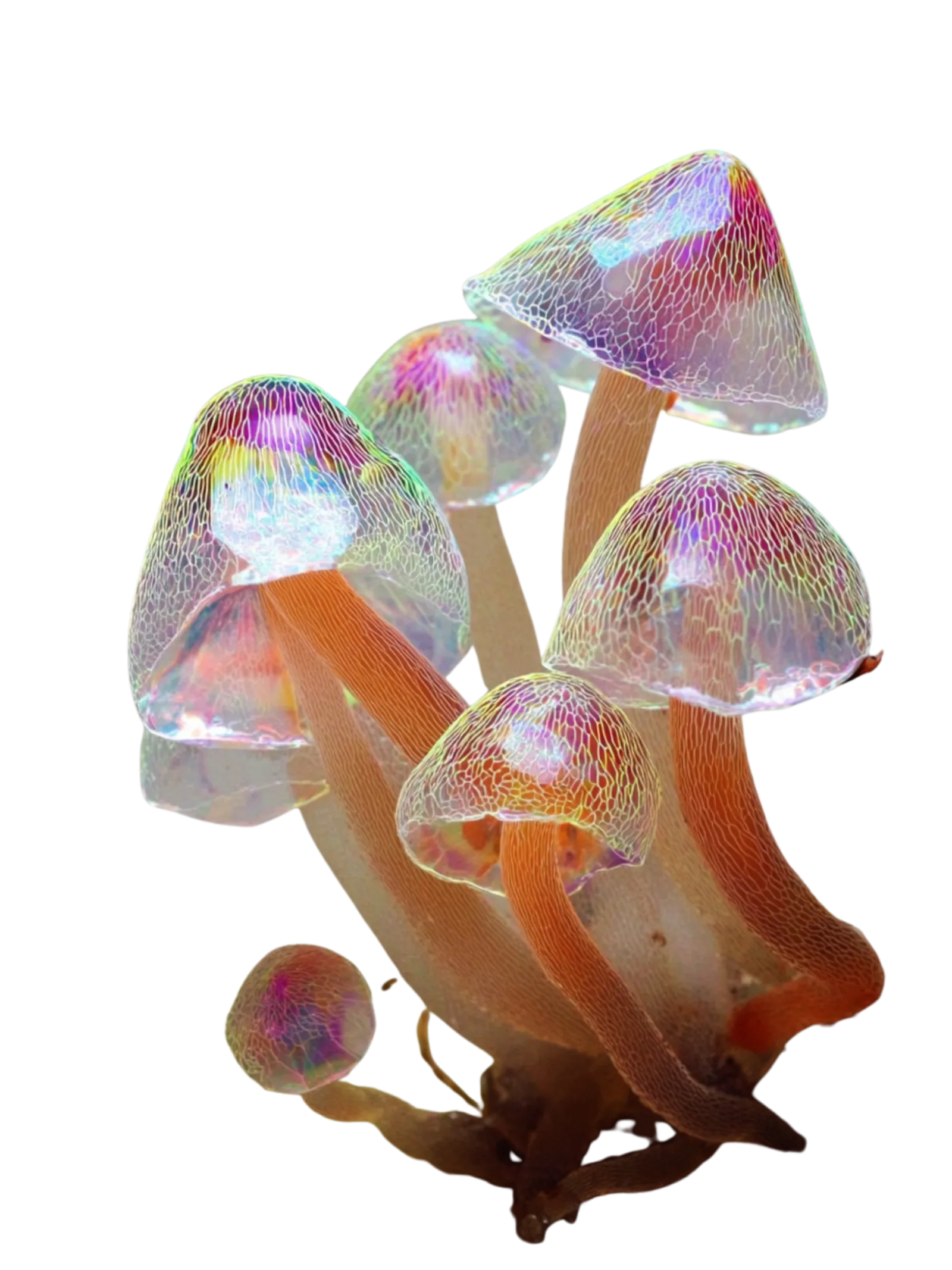
The ability to learn from nature begins with observation
Why this matters
The ability to learn from nature begins with observation. Before we can understand a living system, we have to actually sense what is there. That requires us to quiet our own assumptions and stories long enough to encounter the system on its own terms. It sounds obvious. In practice, it is a step many people skip without realizing it.
Most of us move through the world with our attention somewhere else, replaying a conversation from yesterday or rehearsing one that has not happened yet. Our bodies may be in the park or walking down the street, but our attention is elsewhere. We might stand beneath a hundred-year-old oak and register almost nothing about it.
Our bodies cannot travel to the past or the future. They are always here, in the present moment. Our senses offer the most direct route back to that present, and the present is the place observation happens.
Practicing this builds our capacity to notice. The more we notice, the more material we have for sharper questions, greater curiosity, and a fuller appreciation for the living systems that have been solving complex problems far longer than we have. Doing this once has value. Practicing it repeatedly can begin to shift how we see and understand the world.
How this tool works
The practice moves one prompt at a time. Each card holds a single sense, and it fades away as the next arrives, so there is nothing else on the screen to hold your attention. A gentle timer suggests about a minute per sense, but it is a reminder, not a rule — continue whenever you are ready.
After the five senses comes a ten-minute stretch of walking or sitting with all senses open and activated. The reflection sheet appears only once you reach the end, so you are not reading questions while you are meant to be sensing.
Your place in the practice is remembered on this device, so you can close the tab and pick it up where you left off.
What you need, and how long it takes
Twenty minutes. Five for the senses, ten for the walk, five to write at the end.
Anywhere outdoors. A wild place, a city park, a botanical garden, a strip of grass between buildings, the sidewalk outside your door.
A screen or a sheet. Follow the prompts here one at a time, or print the whole practice and take it with you. Nothing you write leaves your browser.
Working with others
The first part of this exercise is done in silence. If you are practicing in a group, wait to compare notes until after everyone has completed the walk and written reflection.
Before you start
Do this anywhere outdoors. A wild place, a city park, a botanical garden, a strip of grass between buildings, the sidewalk outside your door. The practice trains your senses, and your senses travel with you.
Twenty minutes: five for the senses, ten for the walk, five to write at the end. One prompt at a time — nothing else on the screen.
Nothing you write leaves your browser. Your place in the practice and your answers stay on this device, so you can close the tab and come back. Start over clears them. If you would rather not carry a screen, print the whole practice and take it with you.
This practice strengthens the attention we need to become more receptive to what nature can teach us.
It helps us notice more, but it does not yet show us how to interpret what a living system is doing or translate those observations into design. If you're interested in learning more about these translations and how they can strengthen your impact, take a look at the Terradigm Offerings page for ways to continue.